![[ 512 Lab ]](https://fivetwelvelab.uk/wp-content/uploads/2022/09/cropped-logo.jpg)

This is the kind of “game” I would have loved as a kid in the early 90s, pretending that a 68K Mac can connect to the deep space network and download images from it : P
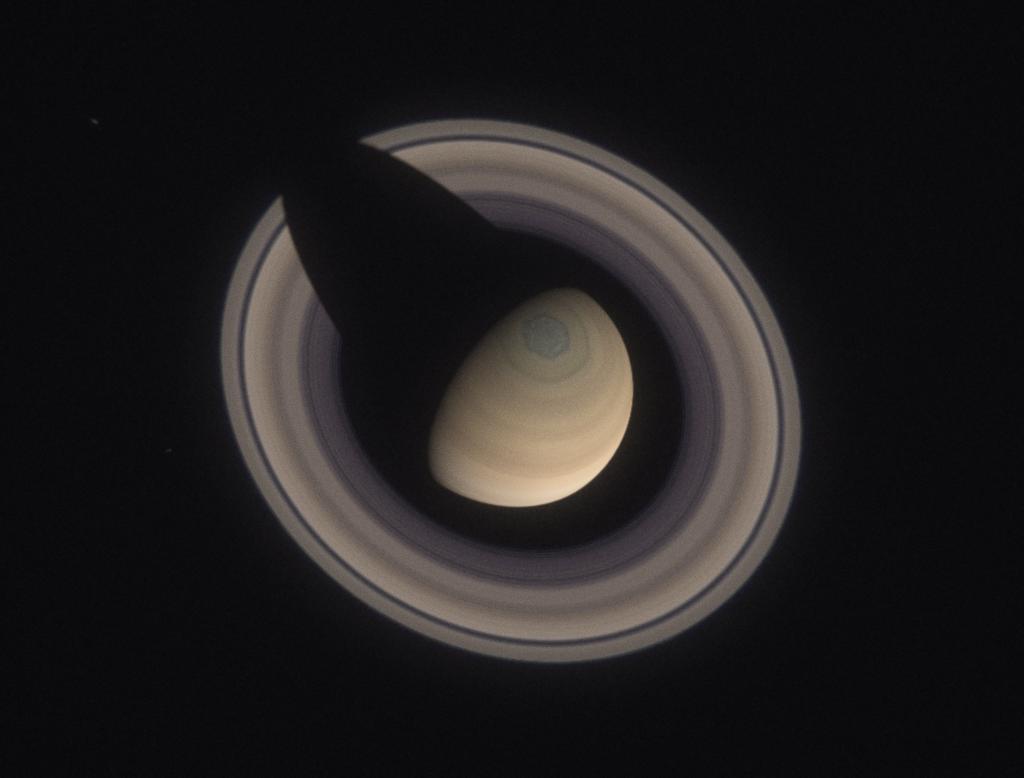
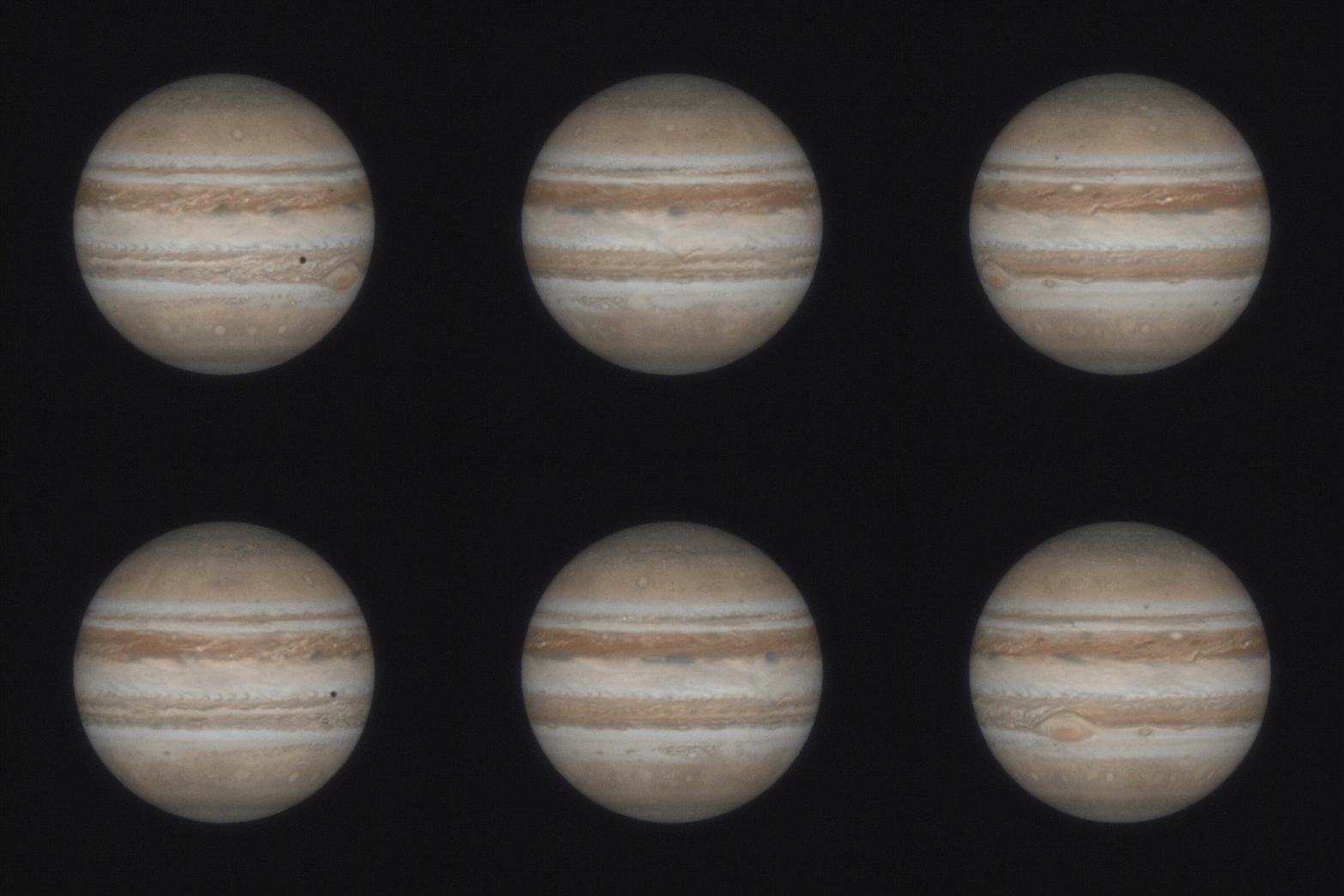
Starting from the raw images sent by the Voyager II probe I designed this simple educational game using Hypercard.


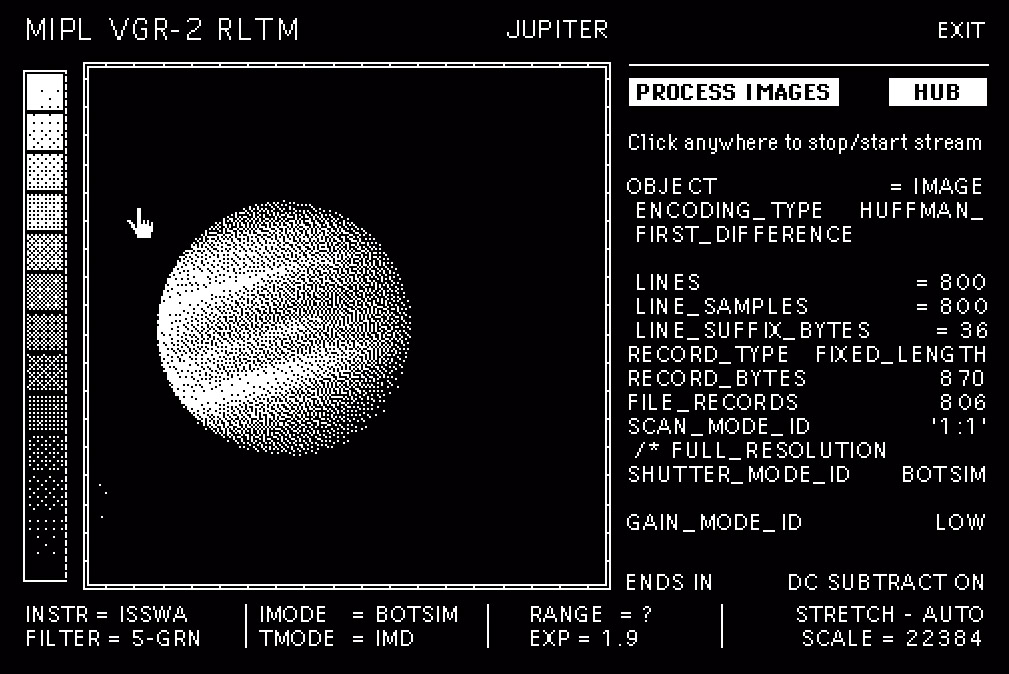
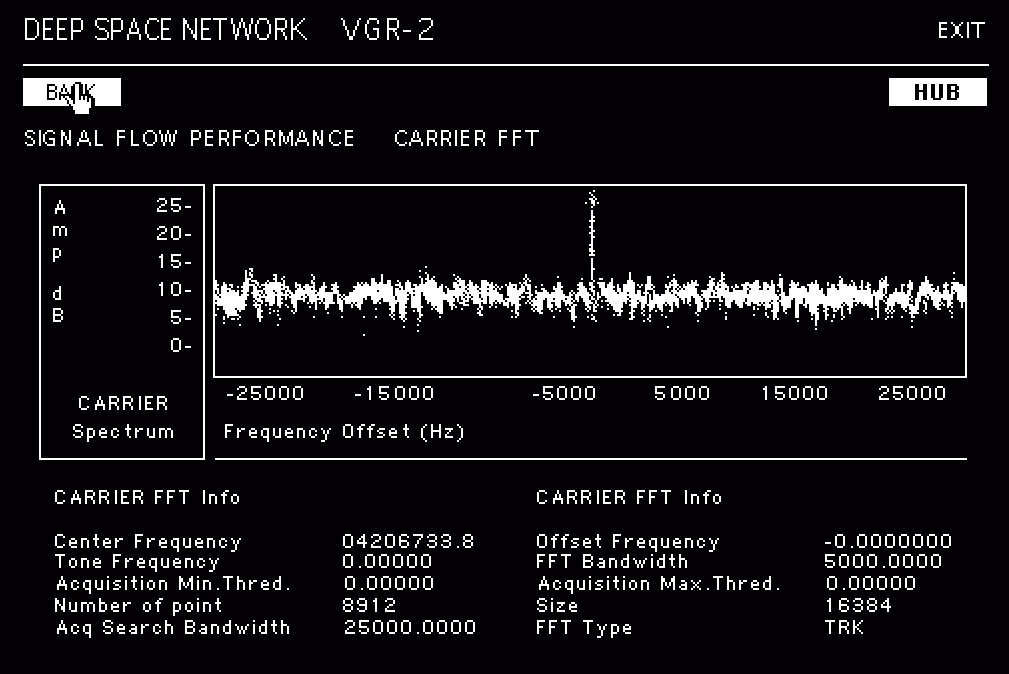
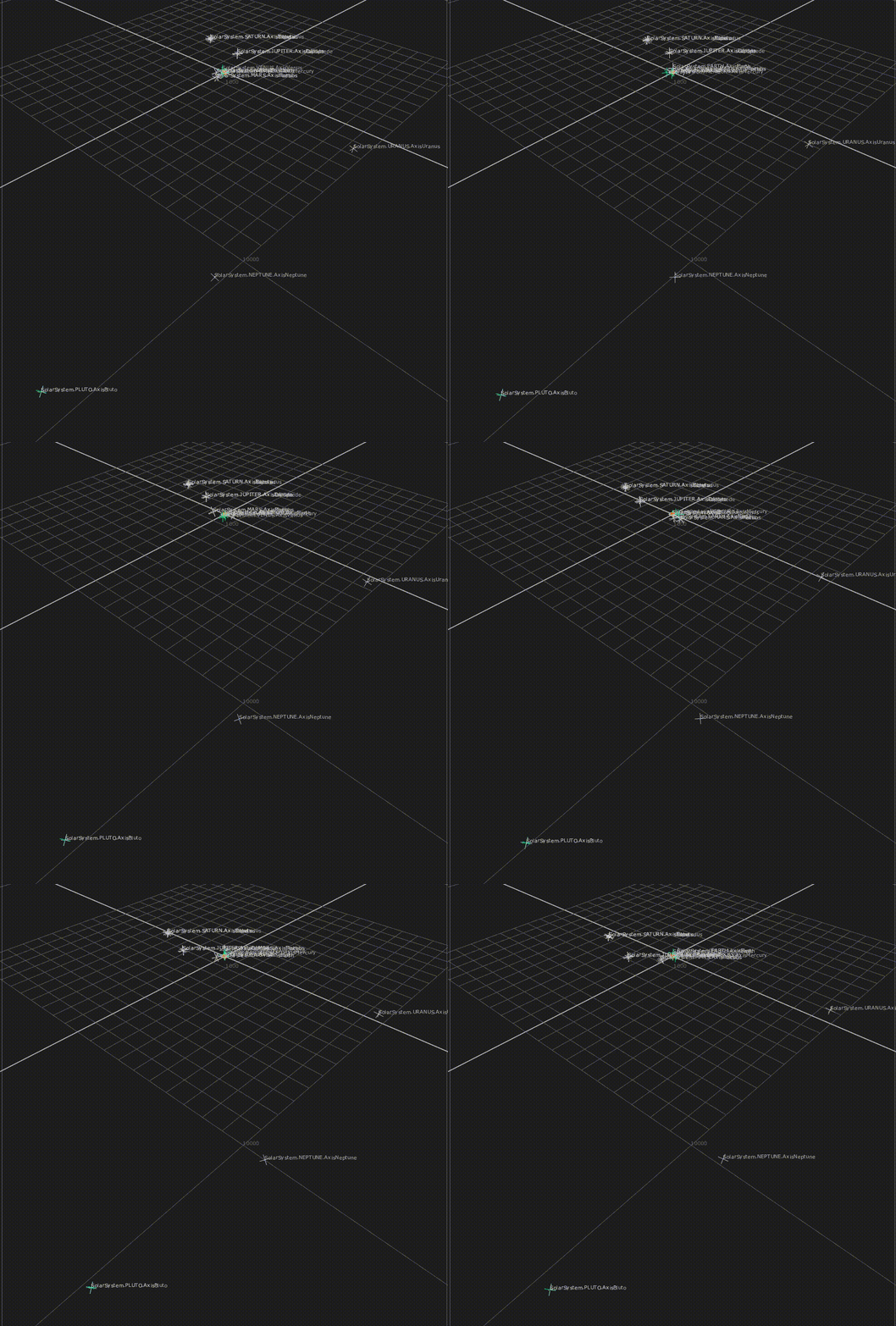
The idea is very simple, a library of animations and an interface to navigate different sections of this fictional hub. You can directly access the library , or “download” the data via a satellite uplink, and monitor the status of the signal. The interface is not completely fictional, it is actually inspired by the real calibration grids. VICAR (Video Image Communication And Retrieval) is the actual software that Nasa used to process the raw data from the probes.
For a “realistic” experiences I added loading screens and fake terminal logs as well.. and yes, it does fit in a 1.4Mb floppy.
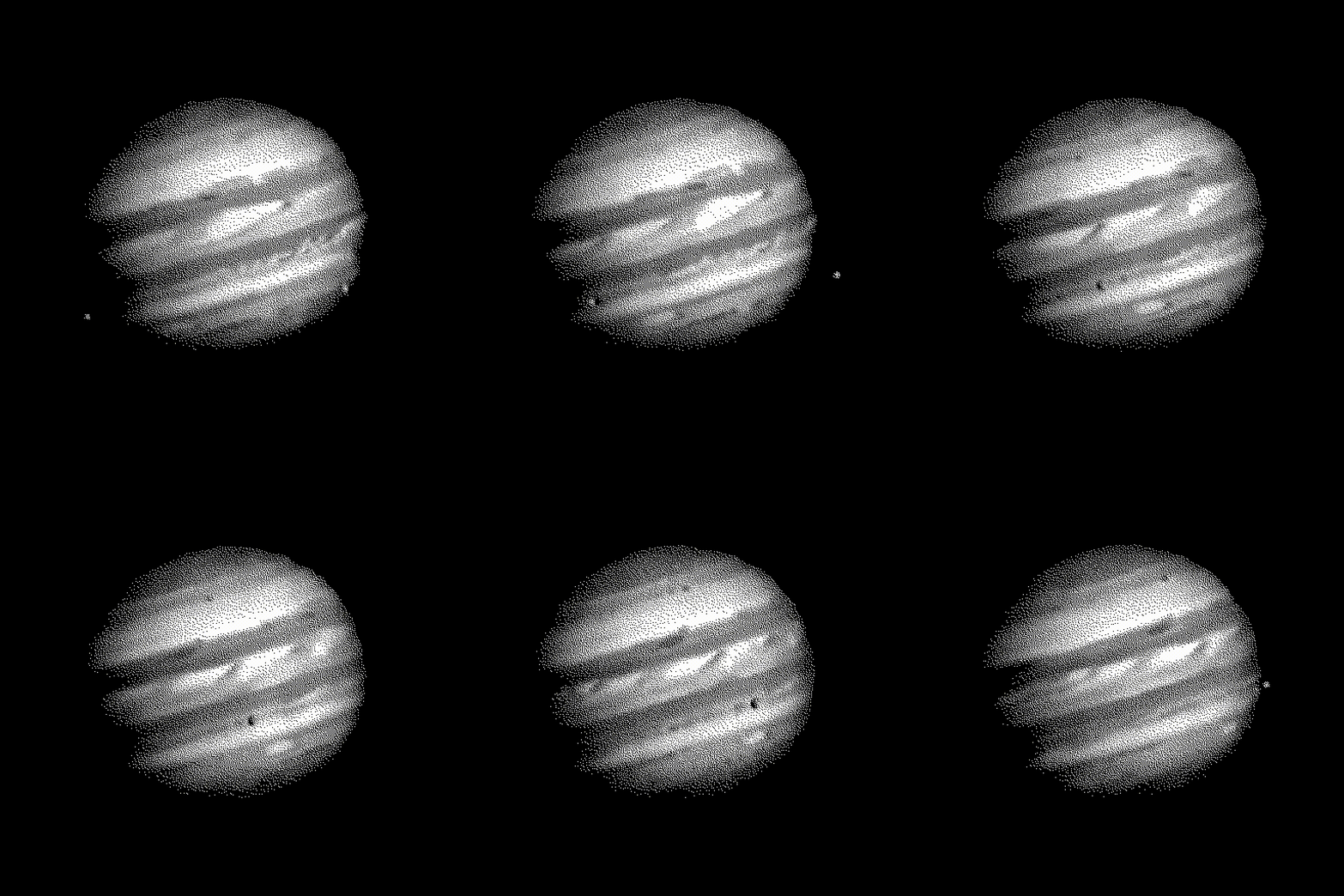
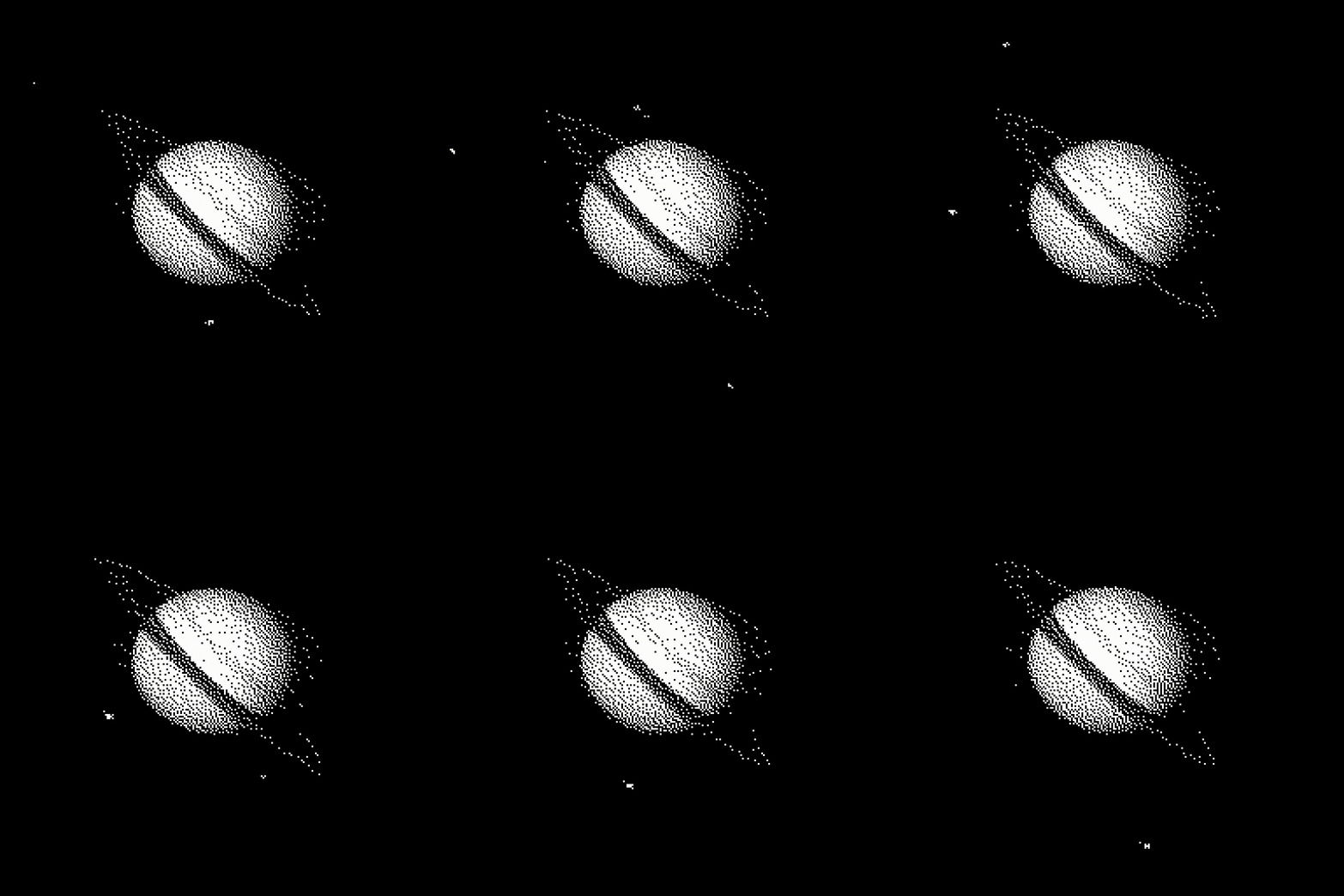
All the text is not complete nonsense. For example the lingo and frequencies in the “deep space network” interface are all real. If you are curious about the tech behind the communication between Earth and the Voyager have a look at this video.
Hypercard is an amazing software, a hypertext editor where you can mix images, animations and buttons. Its scripting language called HyperTalk is very easy to learn, write and understand. The potential was (and is) infinite, you can write a simple database for your telephone numbers or a complete, interactive game with animated graphic. Just for reference the game Mist (1993)… yep! Originally developed with Hypercard.
If you are interested in the use of hypercard in game development check this Video. A great interview with Rand Miller on how Mist and his “predecessor” The Manhole has been created .
For more information about the Voyager missions please visit the Nasa and Jet Propulsion Lab websites. On the Planetary Data System website all the data sent to Earth by the probe is available for download in its raw format.




 [ 512 Lab ]