![[ 512 Lab ]](https://fivetwelvelab.uk/wp-content/uploads/2022/09/cropped-logo.jpg)

Realised with the drawing module of Claris Works. Basically a tad more advanced MacPaint with a couple of extra tools… slowly drew with the mouse : )
Realised with the drawing module of Claris Works. Basically a tad more advanced MacPaint with a couple of extra tools… slowly drew with the mouse : )
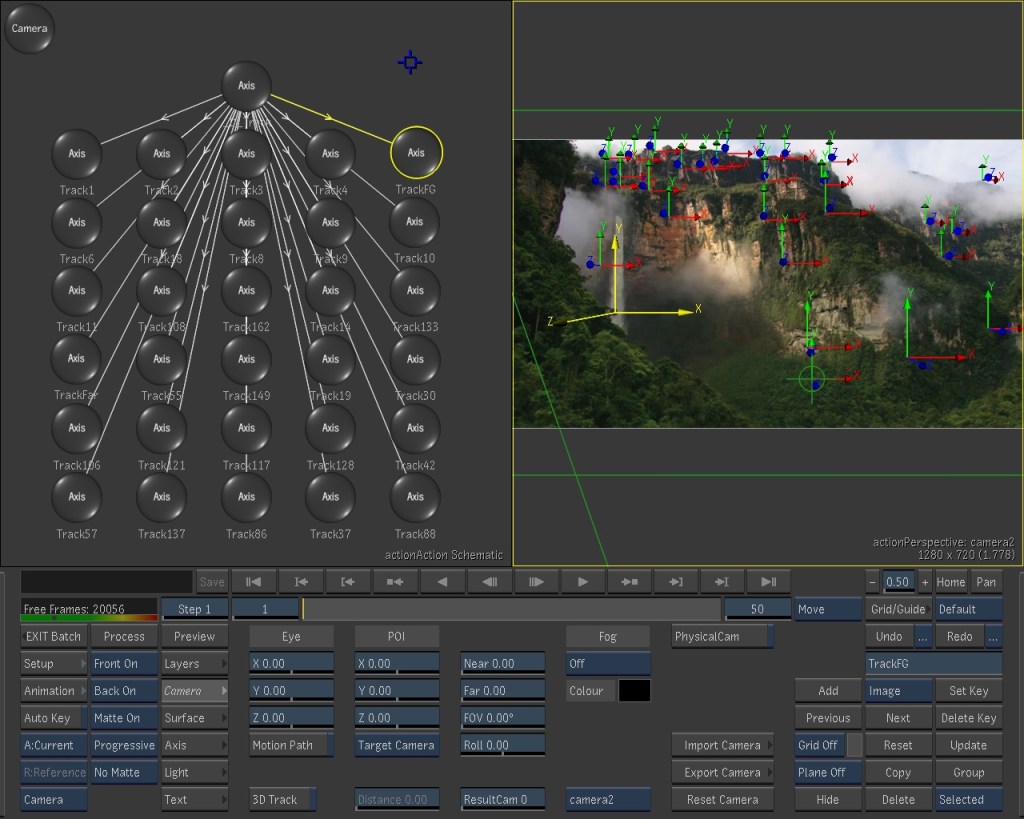
Behold the mighty Flame. After days of attempts I managed to install the software and have all the hardware and drives properly recognised and functioning. I can’t thank enough the people of the Irix NETWORK forum. Special thanks to gijoe77, def13 and irikinus for their direct help and support.
As a professional compositing supervisor it’s amazing to be able to play again with this software on the original SGI hardware.. actually in this case the very same machine I used 20 years ago.
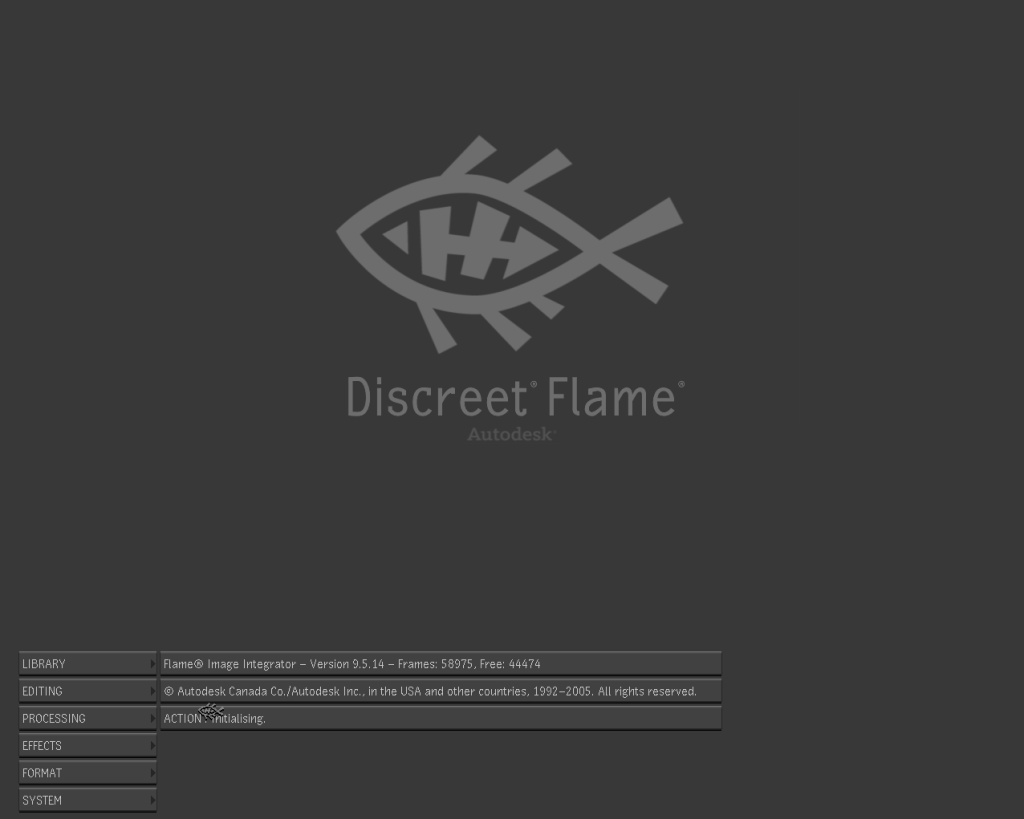
The original workstation came with Flint 7.6 installed, after some testing and consideration the best version of a discreet product that can run well on my Octane is Flame 9.5 from 2005. Finally with the version 8 they introduced resolution independent projects management and v 9 was completely rewritten as a 64 bit application. After this release Discreet launched another 2 versions of Flint / Flame for Silicon Graphics hardware, the last one named Flame 2008. Sadly I would need more memory and a V12 graphic card instead of my V10… soon or later I will upgrade : P
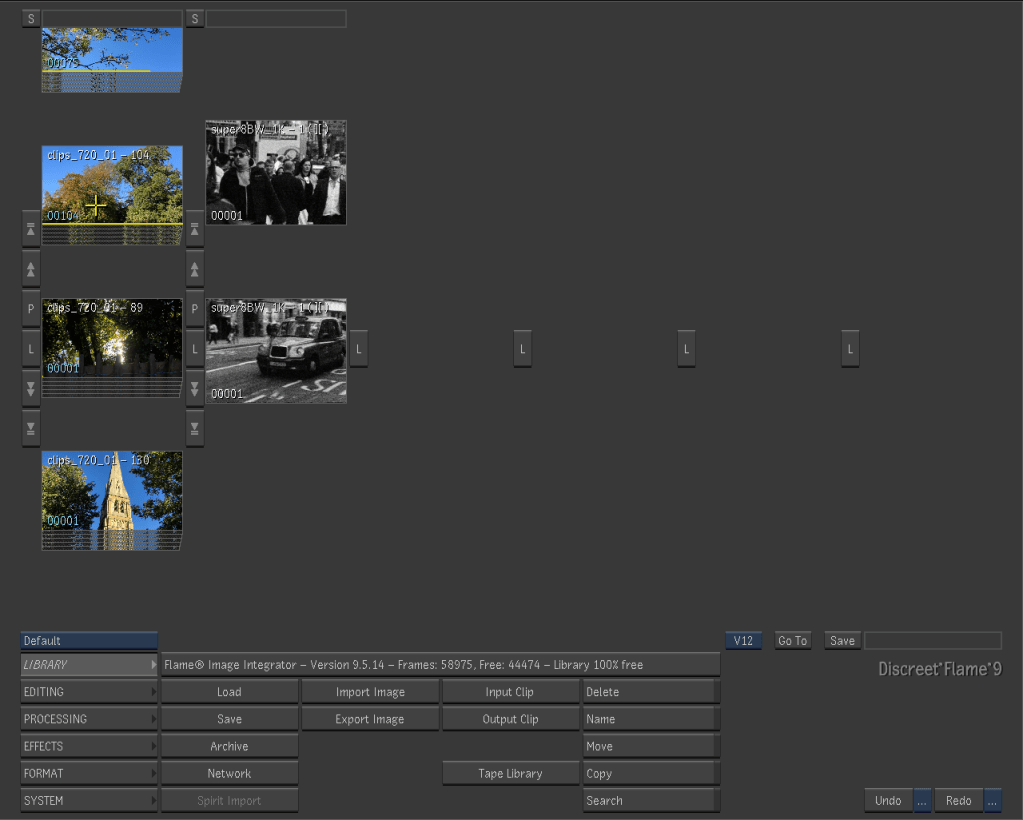
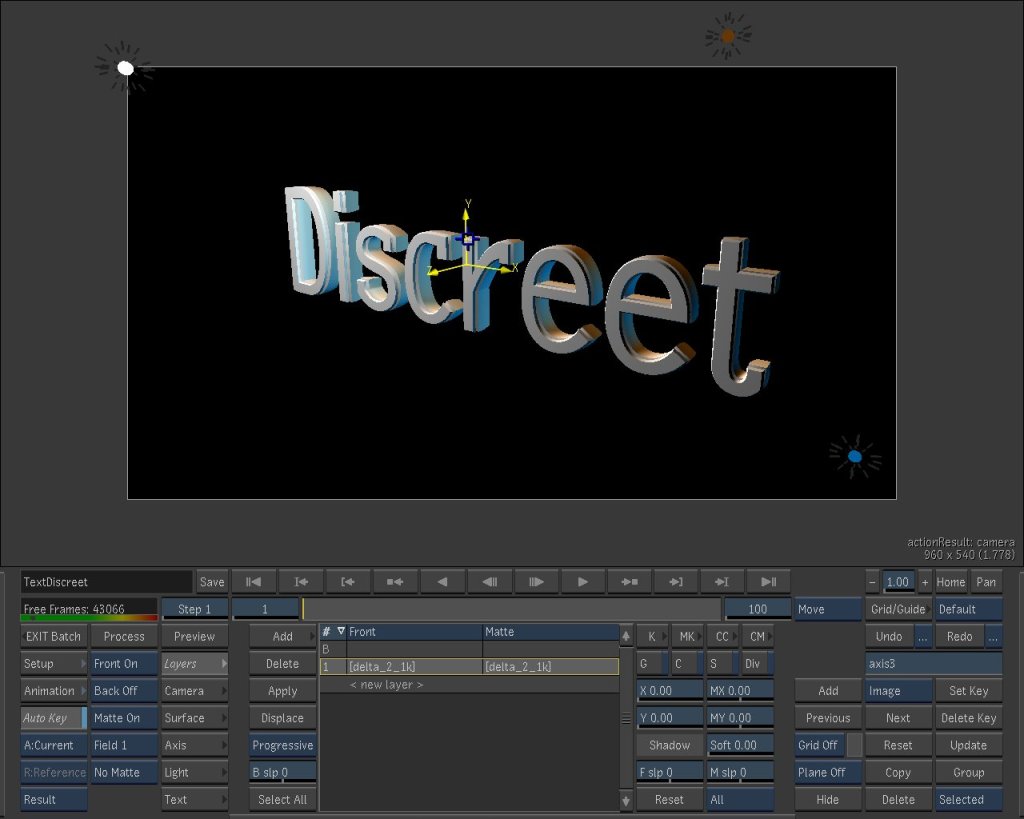
I copied via FTP a bunch of clips that I had in my photo library just to play a bit with the software. I am still quite impressed by the smoothness and responsiveness of playback, 3d space and painting tools.

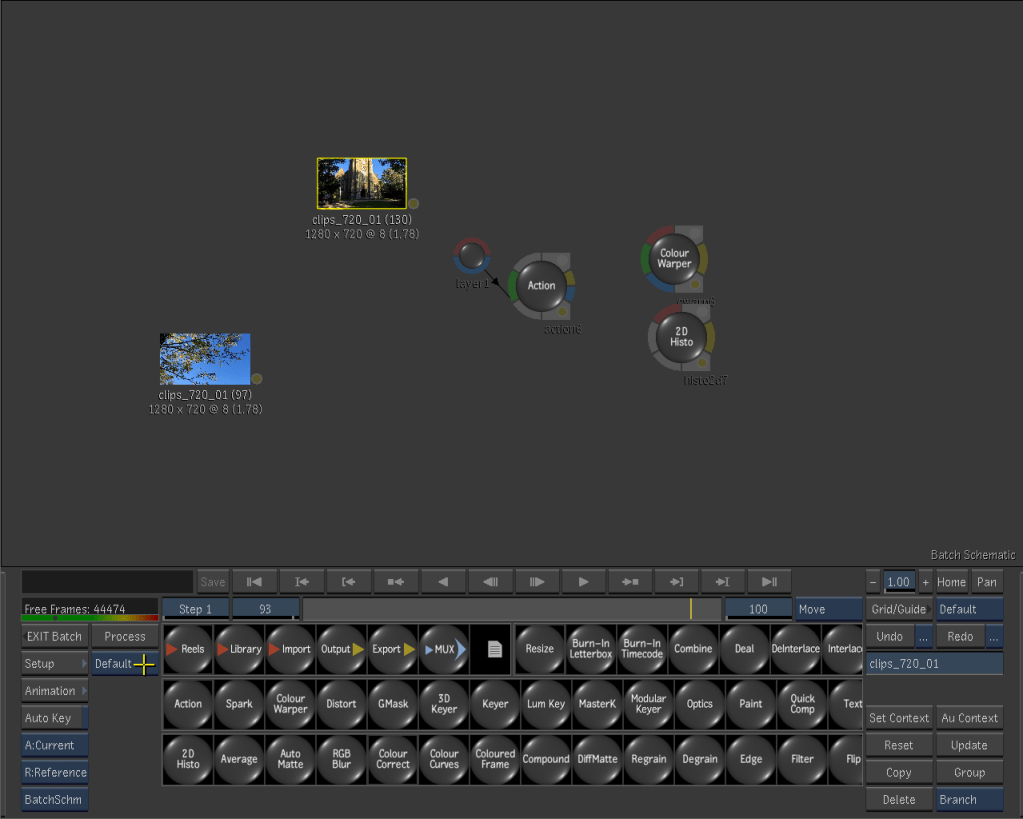
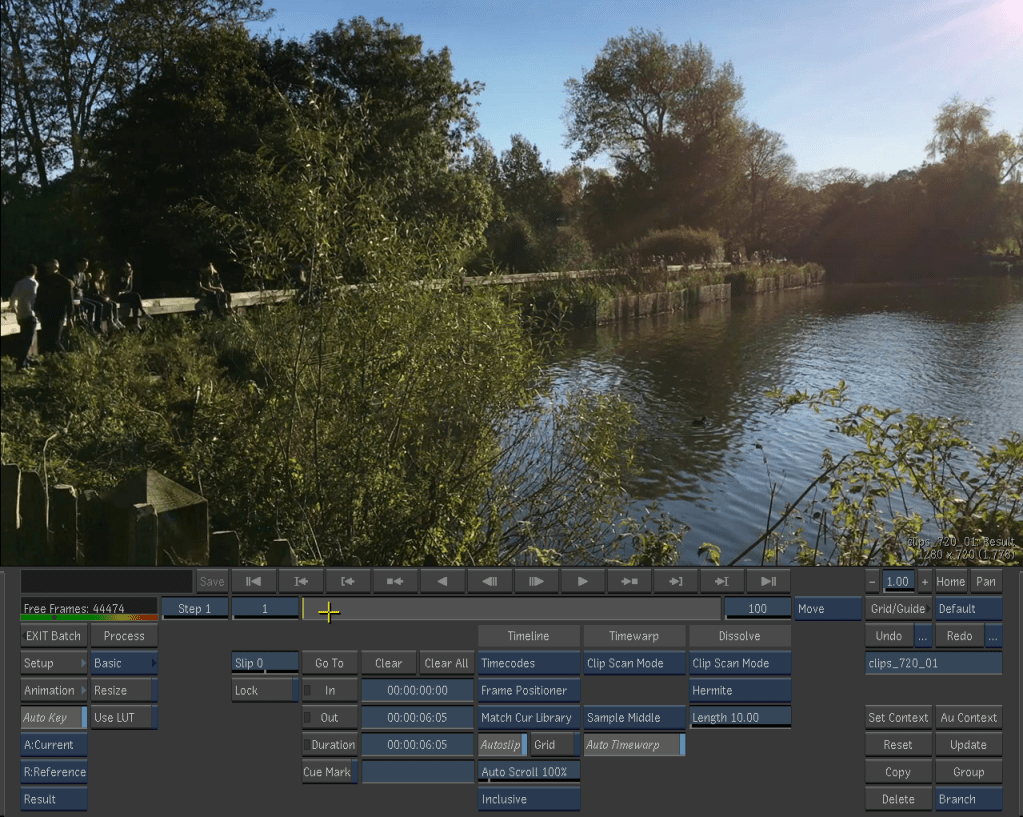
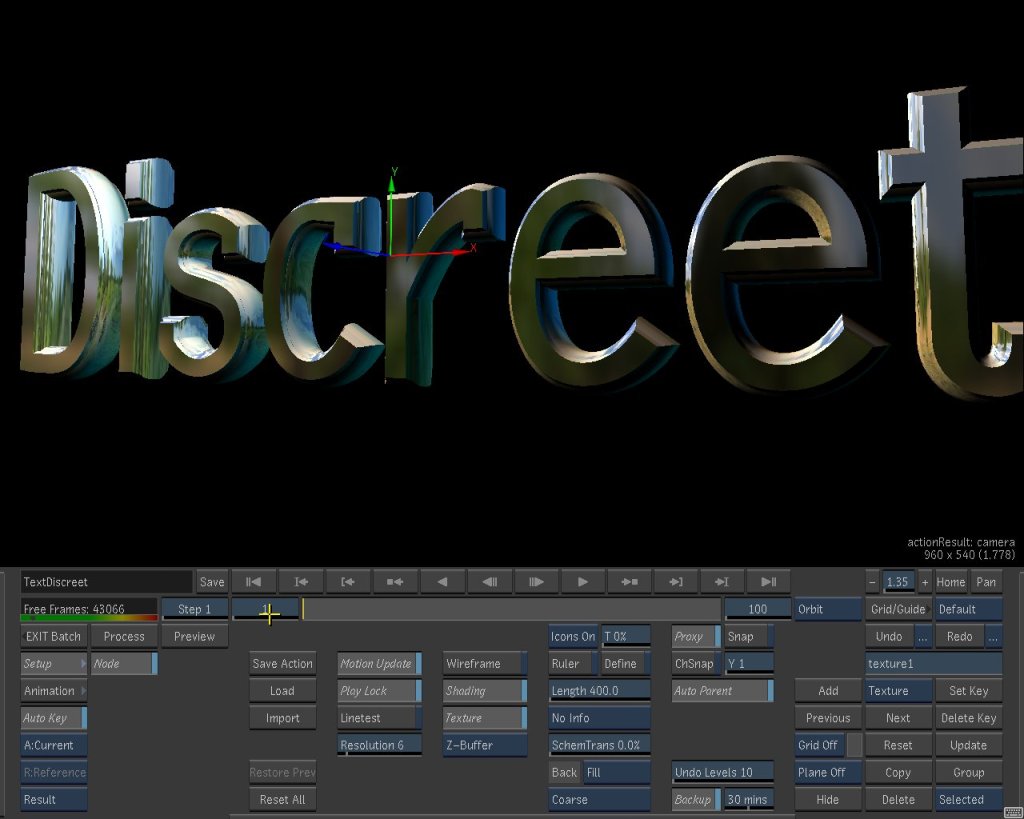
Quite shocking how the system handles real time reflections on a 3d object… on a video card with 32 Mb of memory of which only 8 dedicated to textures.. yes megabyte!

This is the kind of “game” I would have loved as a kid in the early 90s, pretending that a 68K Mac can connect to the deep space network and download images from it : P
Starting from the raw images sent by the Voyager II probe I designed this simple educational game using Hypercard.
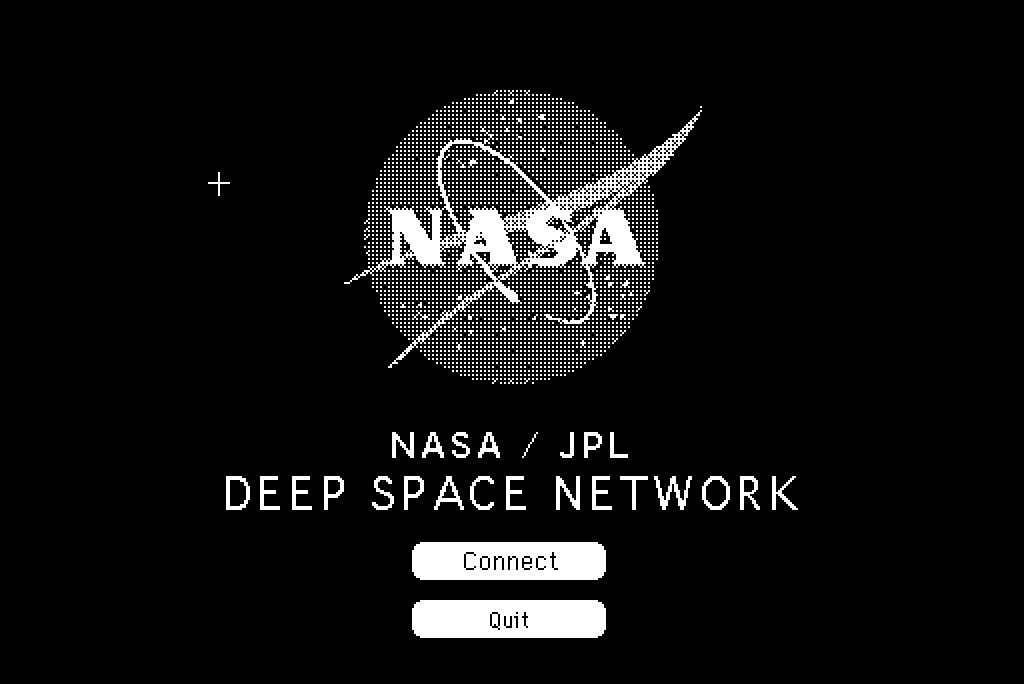


The idea is very simple, a library of animations and an interface to navigate different sections of this fictional hub. You can directly access the library , or “download” the data via a satellite uplink, and monitor the status of the signal. The interface is not completely fictional, it is actually inspired by the real calibration grids. VICAR (Video Image Communication And Retrieval) is the actual software that Nasa used to process the raw data from the probes.
For a “realistic” experiences I added loading screens and fake terminal logs as well.. and yes, it does fit in a 1.4Mb floppy.
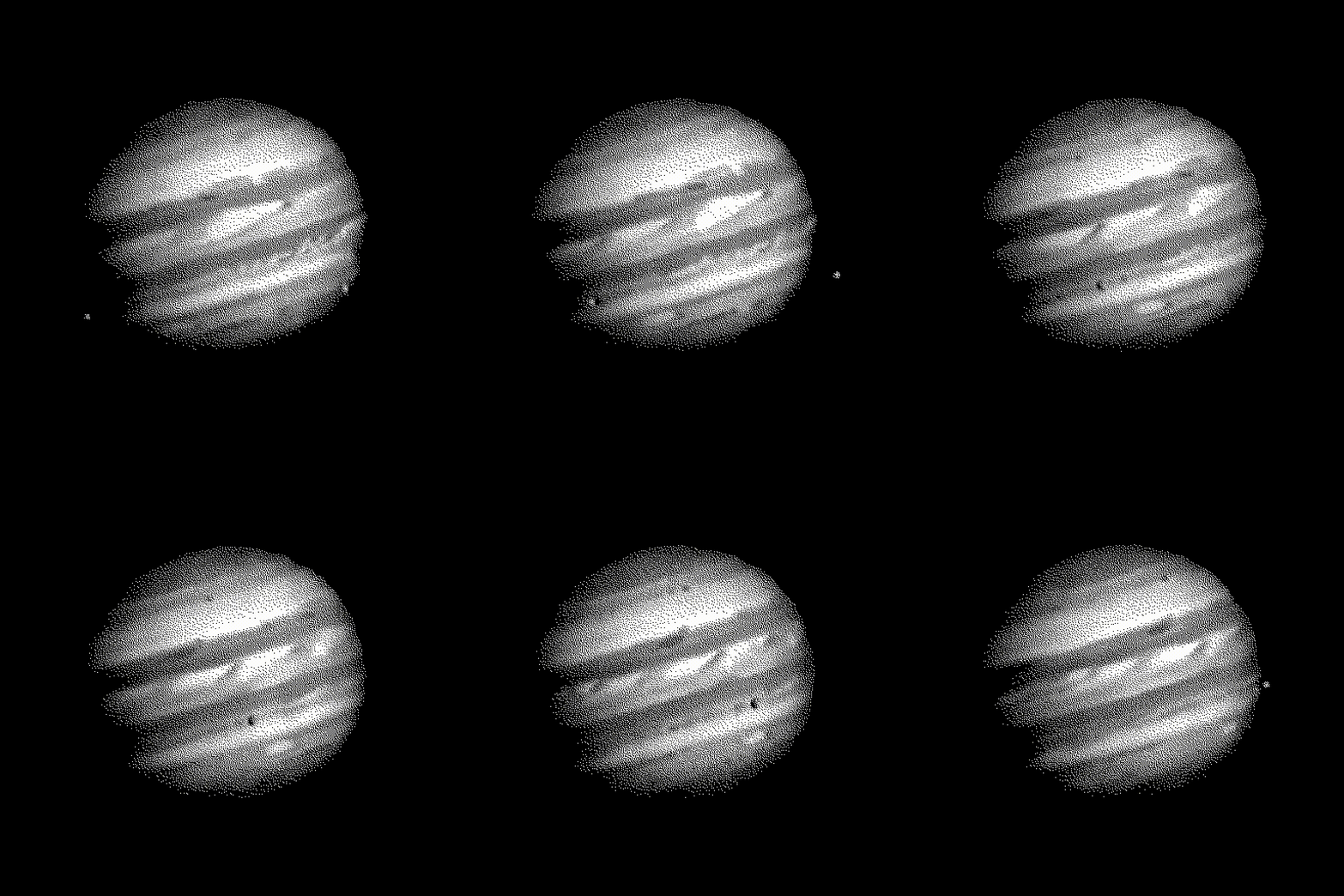
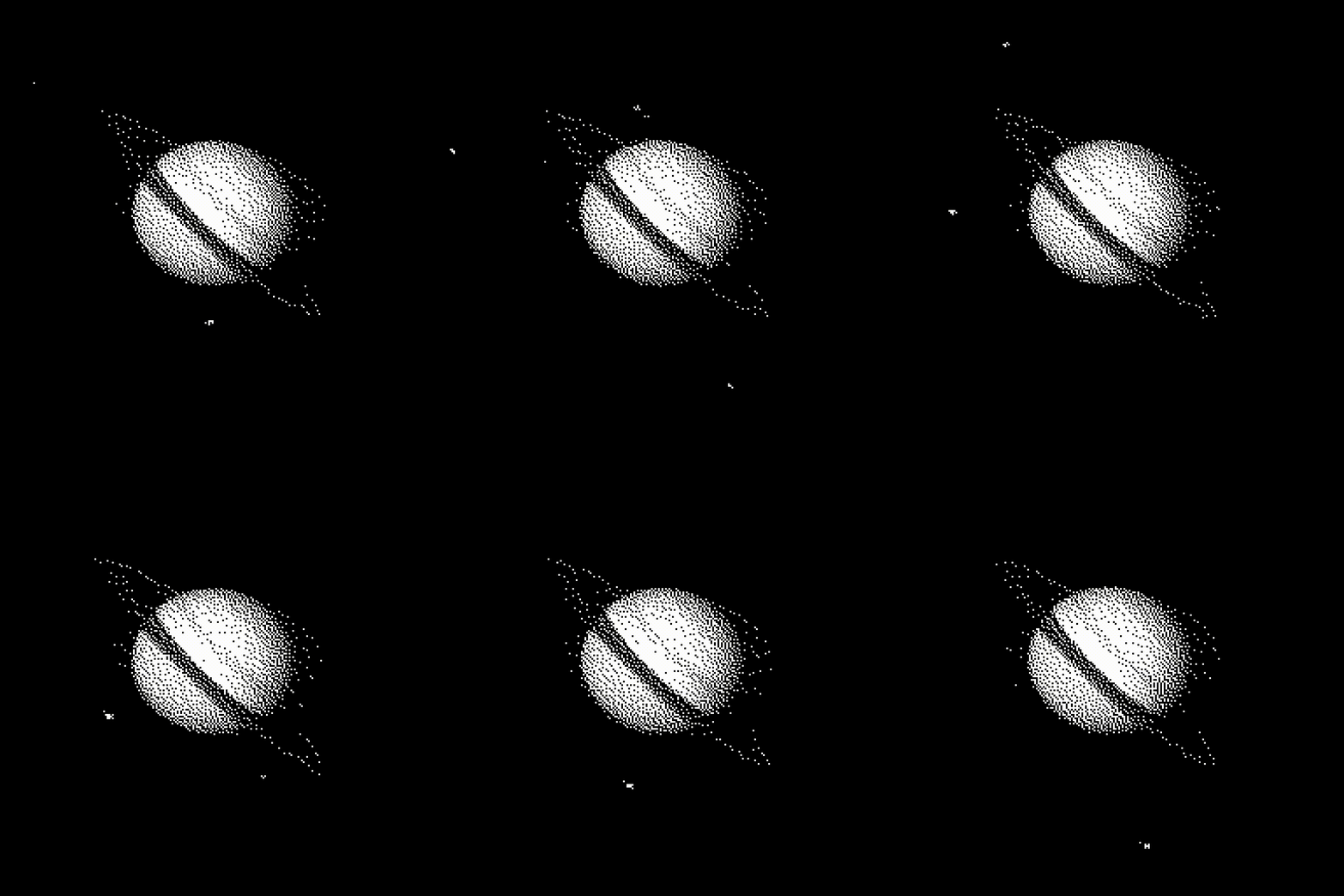
All the text is not complete nonsense. For example the lingo and frequencies in the “deep space network” interface are all real. If you are curious about the tech behind the communication between Earth and the Voyager have a look at this video.
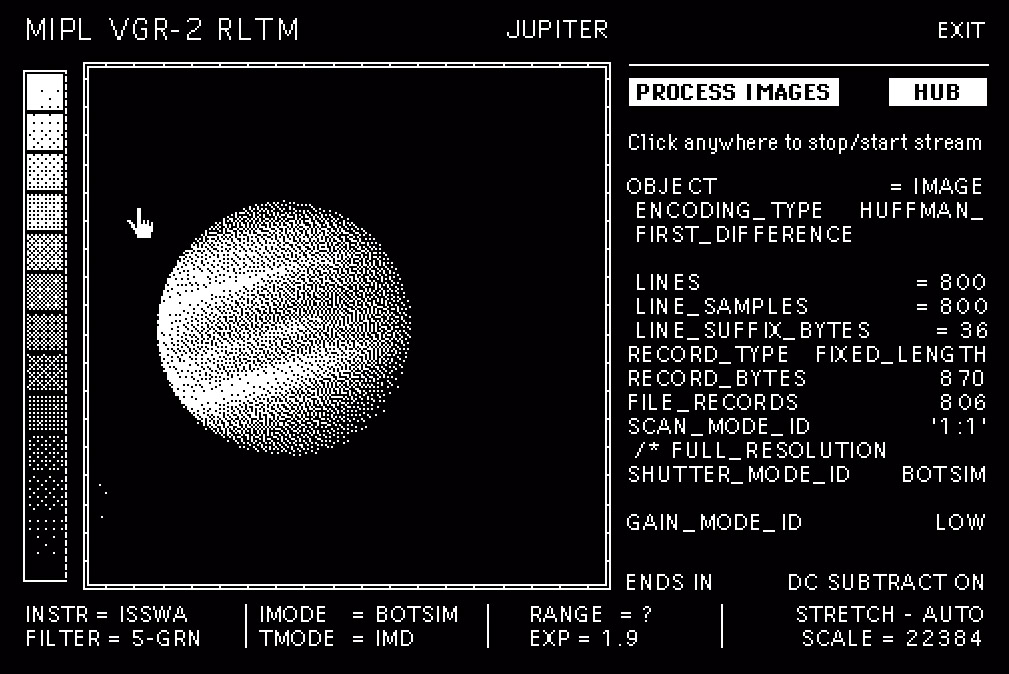
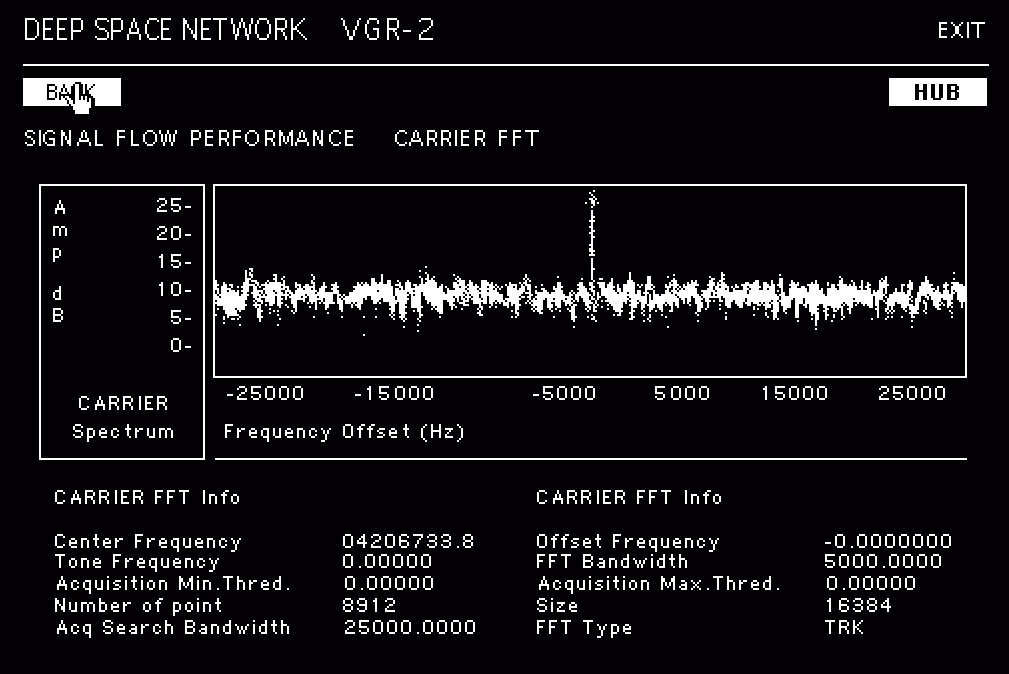
Hypercard is an amazing software, a hypertext editor where you can mix images, animations and buttons. Its scripting language called HyperTalk is very easy to learn, write and understand. The potential was (and is) infinite, you can write a simple database for your telephone numbers or a complete, interactive game with animated graphic. Just for reference the game Mist (1993)… yep! Originally developed with Hypercard.
If you are interested in the use of hypercard in game development check this Video. A great interview with Rand Miller on how Mist and his “predecessor” The Manhole has been created .
For more information about the Voyager missions please visit the Nasa and Jet Propulsion Lab websites. On the Planetary Data System website all the data sent to Earth by the probe is available for download in its raw format.
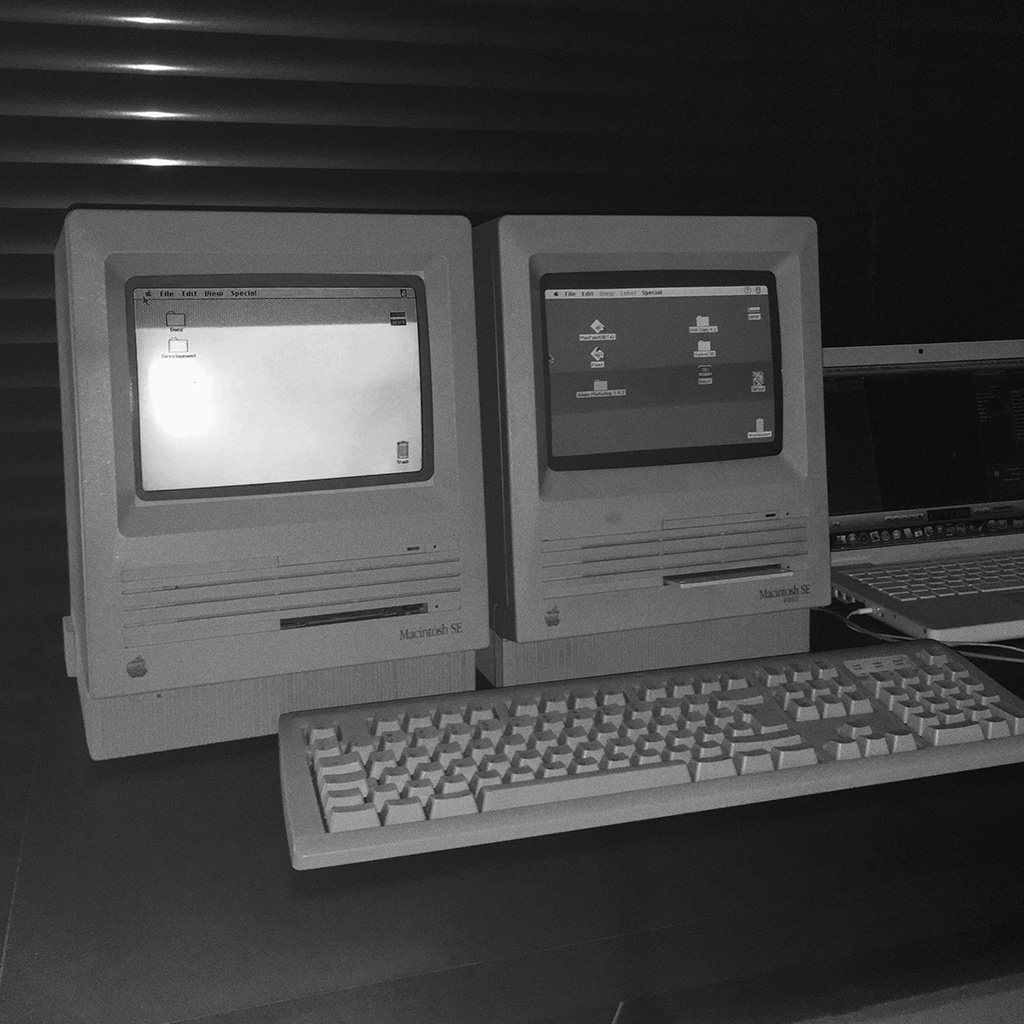
My first MacSE and the second SE FDHD. I needed the second one to read and write 1.4 Mb floppy disks, since the original SE can deal only with 800K ones.
This Mac SE from 1987 is the first 68k Mac I acquired a few years ago.. and the one that sent me down the rabbit hole. 8Mhz cpu, maxed out with 4 Mb of ram and a 20 Mb hard drive. Yes megabyte.
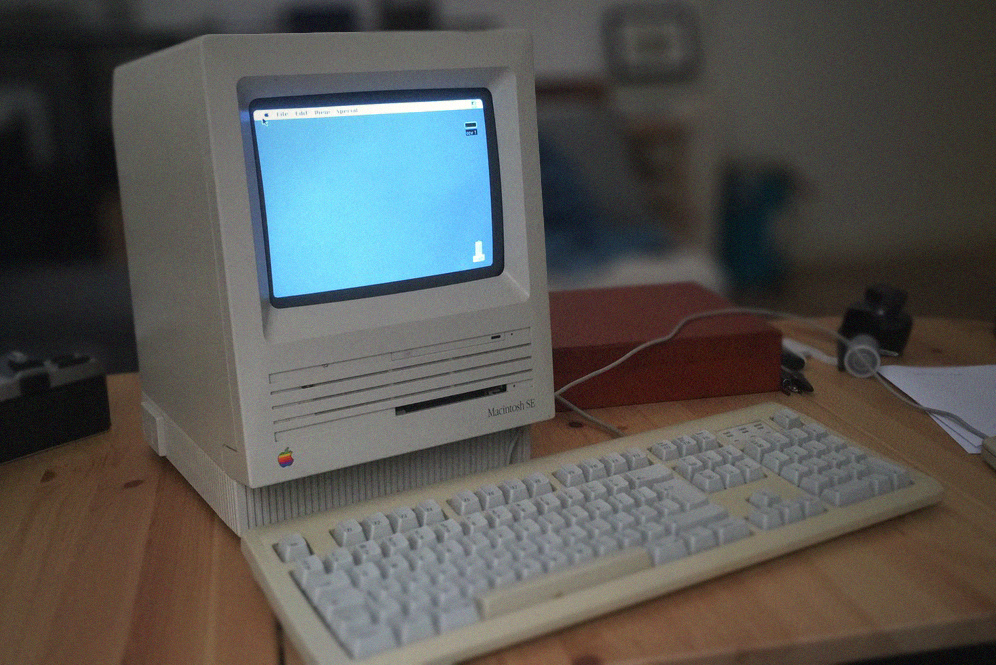
The machine was in perfect working condition, but I am glad that I decided to open the case and have a look at the board. This is what a 30 years of dust looks like. Despite that not a single capacitor leaked.

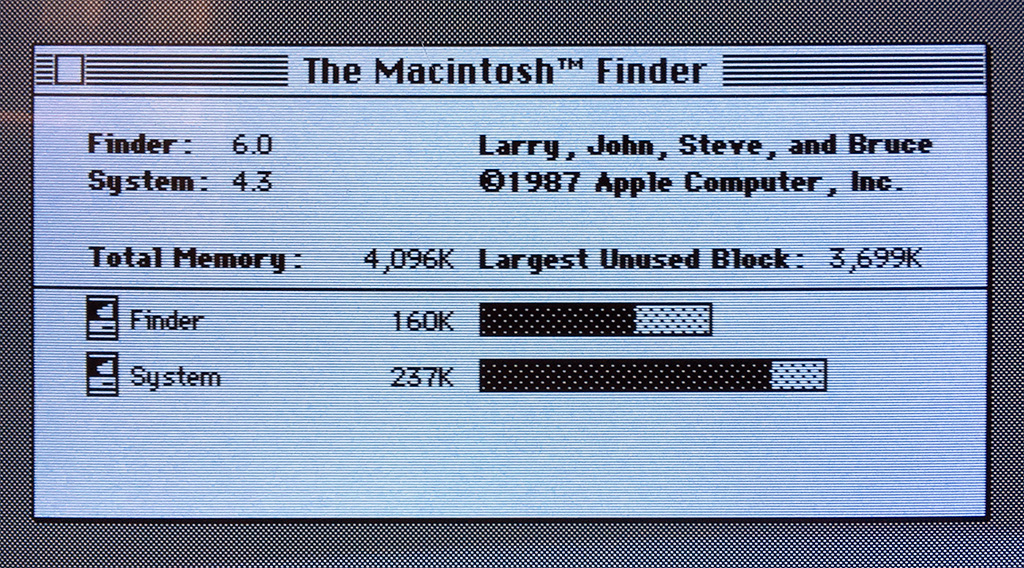
“About this Mac”. The original system 4.3 was still there, plus a bunch of files from the previous owner. I backed up everything.. one floppy at the time and updated the OS to System 6 : )
 [ 512 Lab ]